Is Burning Incense Safe? What Australian Research Says

Evidence-based guidance for enjoying incense safely and mindfully at home.
At Singoau, we believe a mindful home is created through intentional rituals, beautiful craftsmanship, and informed choices. Whether you're beginning your morning meditation, unwinding after a busy day, or embracing the centuries-old traditions of Japanese and Tibetan incense, every ritual should bring a sense of calm and confidence.
One question we hear regularly is:
"Is burning incense safe?"
It's an understandable question. With conflicting information circulating online, it can be difficult to distinguish scientific evidence from misinformation. Rather than relying on social media or anecdotal claims, we believe it's important to look at trusted health organisations and peer-reviewed research.
This guide summarises what current research says, explains how to enjoy incense responsibly, and shares practical tips for creating a safe and relaxing home fragrance ritual.
What Does the Research Say?
One of the most frequently cited studies on incense and health followed 61,320 adults in Singapore over a number of years to investigate whether long-term incense use was associated with respiratory cancers. The researchers found no overall association between incense use and lung cancer, although they did observe an increased risk for certain upper respiratory tract squamous cell carcinomas among people with long-term, heavy exposure. The authors concluded that further research was warranted.
To help people interpret this evidence, Cancer Council Australia reviewed the available research through its iHeard information hub. Their guidance explains that burning incense in normal household amounts appears to carry very little, if any, increased cancer risk, while also recommending good ventilation for anyone wishing to minimise potential exposure. This balanced advice reflects the current understanding that both the amount of smoke and the conditions in which incense is burned matter.
Why Are PAHs Mentioned?
You may have seen articles discussing polycyclic aromatic hydrocarbons (PAHs).
PAHs are compounds that are produced whenever organic materials burn, including:
- Incense
- Candles
- Fireplaces
- Wood heaters
- Charcoal cooking
- Bushfires
The presence of PAHs alone does not automatically indicate a significant health risk. Exposure depends on factors such as:
- concentration
- duration
- frequency
- ventilation
- the surrounding environment
This is why health authorities generally recommend enjoying incense in well-ventilated spaces rather than avoiding it altogether.
How to Burn Incense Safely
Following a few simple practices helps you enjoy incense comfortably and responsibly.
1. Burn Incense in a Well-Ventilated Room
Fresh airflow helps maintain indoor air quality.
Simple ways to improve ventilation include:
- Opening a nearby window
- Allowing cross-ventilation where possible
- Avoiding burning incense continuously in small enclosed rooms
- Good ventilation is also recommended by Cancer Council Australia for those wishing to minimise potential exposure.
2. Practice Mindful Moderation
Traditionally, incense is enjoyed for relatively short periods during:
- Meditation
- Yoga
- Prayer
- Reading
- Relaxation
- Evening wind-down rituals
Rather than burning incense continuously throughout the day, many people prefer to enjoy a single stick as part of a daily mindfulness practice.
3. Use a Quality Incense Holder
Always burn incense in a heat-resistant holder placed on a stable, non-flammable surface.
Never leave burning incense unattended.
4. Consider Sensitive Household Members
If someone in your household has asthma, allergies, or another respiratory condition, it may be sensible to reduce smoke exposure and seek advice from an appropriate healthcare professional if needed.
Likewise, keep burning incense away from young children and pets.
Choosing High-Quality Incense
A premium incense experience is about craftsmanship, tradition, and fragrance—not making medical claims.
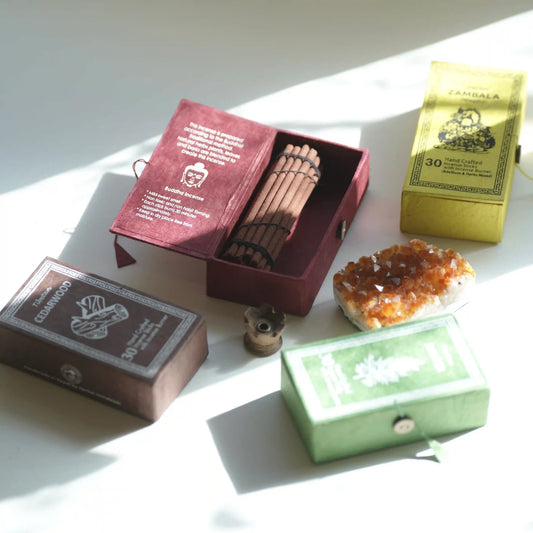
At Singoau, we carefully curate incense inspired by traditional Chinese, Japanese and Himalayan practices, selecting products for their:
- Authentic craftsmanship
- Refined fragrance profiles
- Quality botanical ingredients
- Mindful design
- Slow, consistent burning experience
Our goal is to help you create peaceful daily rituals while encouraging responsible use and informed choices.
Frequently Asked Questions
Is burning incense every day safe?
Cancer Council Australia notes that current evidence suggests burning incense in normal household amounts carries little, if any, increased cancer risk. As with candles or fireplaces, moderate use in a well-ventilated room is considered sensible practice.
Should I open a window while burning incense?
Yes.
Allowing fresh air to circulate helps disperse smoke and is recommended by Cancer Council Australia for people wishing to minimise exposure.
Does natural incense still produce smoke?
Yes.
Any material that burns—including natural incense, candles, and wood—produces smoke. Good ventilation and moderate use remain the best practices regardless of the incense type.
Does Cancer Council Australia recommend avoiding incense completely?
No.
Their public guidance does not advise people to stop burning incense. Instead, it explains that current evidence suggests normal household use carries little, if any, increased cancer risk, while recommending good ventilation for those wishing to minimise potential exposure.
Our Philosophy
Mindful rituals are not about excess.
They are about slowing down, creating space, and bringing intention into everyday life.
Whether you're lighting incense before meditation, welcoming guests into your home, or simply taking a quiet moment for yourself, small daily rituals can transform ordinary moments into something meaningful.
We encourage every customer to enjoy incense responsibly:
- Burn in a well-ventilated space.
- Use a suitable incense holder.
- Never leave burning incense unattended.
- Keep away from children, pets, and flammable materials.
- Enjoy incense as part of a balanced mindfulness practice.
References
This article is provided for educational purposes only and should not be considered medical advice. If you have concerns regarding respiratory health or existing medical conditions, please consult a qualified healthcare professional.
The information presented in this article is based on publicly available evidence from recognised health organisations and peer-reviewed scientific research.
Primary Sources
Cancer Council Australia – Is Burning Incense Linked to Respiratory Cancers?
Cancer Council Australia's guidance on incense and respiratory cancer
Friborg JT, Yuan JM, Wang R, et al. (2008). Incense Use and Respiratory Tract Carcinomas: A Prospective Cohort Study. Cancer.
View the peer-reviewed study on PubMed
Read the full research article via the National Library of Medicine
Continue Your Mindful Journey
You may also enjoy:
- The Art of Kōdō: A Beginner's Guide to the Japanese Incense Ceremony
- Morning Grounding Rituals: Pairing Incense, Meditation & Crystal Bracelets
- How to Choose the Perfect Incense Holder
- Explore Our Premium Chinese, Japanese & Tibetan Incense Collection
At Singoau, we believe that the most meaningful rituals begin with informed choices, quality craftsmanship, and intentional living.
Embrace quiet quality. Create mindful spaces. Live intentionally.