White Sage: A Mindful Guide to Its History, Uses, Respectful Rituals & Natural Alternatives

White Sage: Understanding Its Meaning Beyond the Trend
Many people begin exploring incense and natural rituals during moments when life feels busy, overwhelming, or disconnected.
Perhaps you are creating a calmer home environment, starting a meditation practice, refreshing your living space, or simply looking for small daily rituals that help you slow down.
For many, White Sage is one of the first natural aromatic materials they discover.
Its earthy fragrance, gentle smoke, and connection to traditional practices have made White Sage increasingly popular around the world. However, as more people bring White Sage into their homes, many are also asking deeper questions:
- What exactly is White Sage?
- What is White Sage traditionally used for?
- How should White Sage be used respectfully?
- Is White Sage the same as incense?
- Are there alternatives to White Sage for meditation and mindful living?
These questions reflect something important: people are not only looking for products. They are searching for meaning, connection, and a more intentional way of living.
At SINGOAU, we believe the objects we surround ourselves with every day can quietly influence how we feel. A piece of natural crystal, the fragrance of incense, or a handmade home object can become part of a personal ritual — a small reminder to pause, breathe, and reconnect.
This guide explores the history of White Sage, its place in modern wellness practices, how to use it thoughtfully, and other natural incense options for creating a calm and mindful home.
What Is White Sage?
White Sage (Salvia apiana) is an aromatic evergreen plant native to regions of California and parts of northwestern Mexico.
The plant has soft silver-green leaves and a distinctive herbal aroma. When dried and burned, White Sage produces a fragrant smoke that many people associate with cleansing rituals, meditation, reflection, and creating a peaceful atmosphere.
Unlike traditional incense sticks, which are often made from combinations of woods, resins, herbs, and essential oils, White Sage is typically used as a dried botanical bundle.
This makes it unique within the wider world of natural incense.
Today, White Sage is commonly found in:
- Home meditation spaces
- Wellness studios
- Yoga environments
- Personal reflection practices
- Mindful home rituals
- Natural fragrance collections
While modern interest in White Sage has grown significantly, its history extends far beyond contemporary wellness trends.
Understanding where this plant comes from and the traditions connected to it allows us to approach it with greater appreciation and respect.
The History and Cultural Significance of White Sage
White Sage has a long history of traditional use among many Indigenous communities in North America.
For generations, White Sage has held important cultural and spiritual significance. It has been used in ceremonies, gatherings, and traditional practices connected with community, healing, and connection to nature.
Because of this history, White Sage is not simply another aromatic product. It represents a living tradition with deep cultural meaning.
As White Sage became more popular in modern wellness spaces, conversations naturally developed around responsible use, sustainability, and cultural respect.
A mindful approach means recognising that natural materials often carry stories beyond their physical appearance.
Choosing White Sage is not only about enjoying its aroma. It is also about appreciating:
- Where the plant comes from
- The traditions connected to it
- How it is sourced
- How it fits into your own personal practice
Mindful living begins with awareness.
Why Do People Use White Sage Today?
People are naturally drawn to rituals that create moments of calm and intention.
Modern life often moves quickly. Between work, technology, responsibilities, and constant information, many people are searching for simple ways to slow down.
White Sage is often used as part of personal rituals such as:
Meditation
Some people incorporate White Sage into meditation by using the aroma as a sensory reminder to become present.
The simple act of preparing, lighting, and experiencing the fragrance can create a transition from daily activity into quiet reflection.
Creating a Calm Home Environment
Our surroundings influence our mood and emotions.
A peaceful home does not require expensive decoration or a perfect interior. Often, small details create the greatest impact:
- Natural textures
- Soft lighting
- Plants
- Meaningful objects
- Calming fragrances
White Sage can become one element within a larger mindful living practice.
Personal Reflection Rituals
Some people enjoy using White Sage during moments of journaling, reading, stretching, or quiet evenings.
The ritual itself can become meaningful:
- Preparing the space.
- Taking a moment to slow down.
- Allowing yourself to be present.
How to Use White Sage Mindfully
There is no single "correct" way to create a personal ritual. The most meaningful practices are those approached with intention and awareness.
If you choose to use White Sage, consider these simple guidelines.
1. Learn About Its Background
Before using any traditional natural material, take time to understand its origins. Learning creates a deeper connection between yourself and the objects you bring into your home.
2. Choose Responsibly Sourced Products
Natural materials are connected to the environment they come from.
When selecting White Sage, consider:
- Responsible sourcing
- Quality of the material
- Transparency from the seller
- Respect for traditional practices
A thoughtful purchase is part of mindful consumption.
3. Create a Dedicated Space
White Sage can be part of a simple home ritual area. This does not need to be a large meditation room.
A small corner with:
- An incense holder
- A candle
- Natural crystals
- A comfortable place to sit
- Meaningful objects
can become a personal sanctuary.
Explore SINGOAU's collection of Wabi-Sabi homewares and natural crystals to create a calming space inspired by nature and simplicity.
How to Burn White Sage Safely at Home
When using any burning botanical material, safety should always come first.
A simple approach:
Step 1: Prepare your space
Choose a well-ventilated area and place your White Sage on a heat-resistant surface.
Step 2: Light briefly
Light the end of the White Sage bundle until it begins to produce smoke.
Step 3: Allow it to smoulder
Gently extinguish the flame and allow the aromatic smoke to naturally release.
Step 4: Enjoy the moment
Use the fragrance as a reminder to slow down, breathe, and reconnect.
Step 5: Extinguish completely
Make sure the White Sage is fully extinguished after use.
Never leave burning incense, herbs, or candles unattended.
White Sage vs Incense: What Is the Difference?
A common question is:
"Is White Sage incense?"
The answer is: it depends on how broadly we define incense.
Incense generally refers to aromatic materials that are burned to release fragrance. This includes many forms:
- White Sage bundles
- Japanese/Chinese incense sticks
- Sandalwood incense
- Agarwood incense
- Botanical incense
- Resin incense
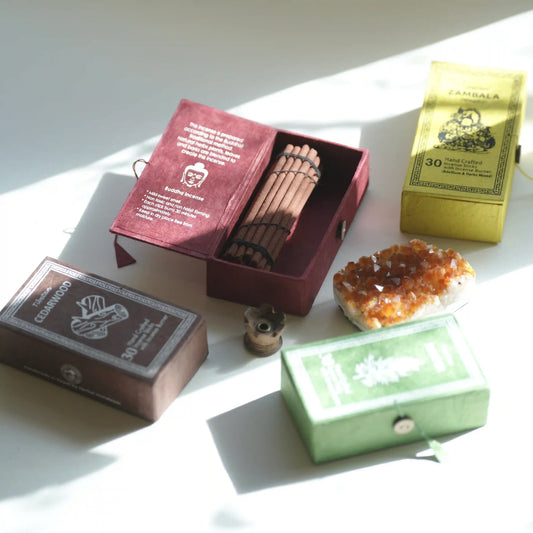
- Tibetan incense
White Sage is a botanical material, while traditional incense is often created through a crafted blending process. Both can be part of mindful rituals, but they offer different experiences.
White Sage
- Natural dried herb bundle
- Earthy, herbal fragrance
- Strong connection with traditional practices
- Produces visible smoke
Japanese/Chinese Incense
- Carefully crafted fragrance blends
- Often produces lighter smoke
- Suitable for everyday relaxation
- Connected with centuries of Japanese incense craftsmanship
Many people enjoy exploring different incense traditions depending on their mood and personal practice.
Discover SINGOAU's Natural Incense Collection for thoughtfully selected fragrances designed for moments of calm and reflection.
White Sage Alternatives: Exploring Other Natural Incense Traditions
While White Sage is one of the most recognised natural aromatic materials, it is only one part of a much larger world of incense traditions.
Around the world, people have used fragrant plants, woods, resins and botanical materials for centuries to create moments of reflection, connection and calm.
For some people, White Sage becomes the beginning of a wider exploration into natural incense.
Different materials create different experiences:
- Some offer a grounding woody aroma.
- Some create a lighter, more delicate fragrance.
- Some connect with specific cultural traditions.
- Some simply help create a peaceful atmosphere at home.
There is no single incense that is best for everyone. The most meaningful choice is the one that fits your personal space, intention and daily rhythm.
Japanese/Chinese Incense: A Gentle Alternative for Everyday Mindfulness
Japanese/Chinese incense is one of the world's most refined incense traditions.
Unlike some aromatic materials that are used occasionally for specific rituals, Japanese and Chinese incense is often enjoyed as part of everyday life.
Its philosophy is closely connected with simplicity, appreciation and awareness of subtle details.
Many Japanese/Chinese incense blends use natural ingredients such as:
- Sandalwood
- Agarwood
- Herbal materials
- Spices
- Botanical extracts
The fragrance is often delicate and balanced, making it suitable for:
- Morning meditation
- Reading
- Tea rituals
- Evening relaxation
- Creating a peaceful home atmosphere
For people who enjoy a quieter, more minimalist approach to fragrance, Japanese and Chinese incense can become a beautiful daily ritual.
Sandalwood Incense: Warm, Grounding and Timeless
Sandalwood has been valued for centuries across many cultures for its warm, smooth and woody fragrance.
Many people associate sandalwood incense with:
- Meditation
- Relaxation
- Reflection
- Creating a peaceful environment
Its gentle aroma makes it a popular choice for those looking to create a calming home ritual without overwhelming fragrance. And its often appreciated because it feels natural, grounding and connected to the simplicity of nature.
Agarwood Incense: A Deep and Contemplative Fragrance
Agarwood, also known as oud, is one of the most precious aromatic woods in the world.
It has a complex fragrance profile that can include:
- Woody notes
- Earthy tones
- Sweet undertones
- Rich natural depth
Agarwood incense has a long history across Asian and Middle Eastern traditions.
Because of its depth and complexity, many people enjoy agarwood during moments when they want to slow down and create a more contemplative atmosphere.
Botanical Incense: Connecting With Nature
Botanical incense brings together natural plant materials to create unique aromatic experiences.
These blends may include:
- Herbs
- Flowers
- Leaves
- Woods
- Natural resins
For those who appreciate nature-inspired living, botanical incense can feel like bringing a small part of the natural world indoors.
This connects beautifully with a Wabi-Sabi philosophy — appreciating simplicity, imperfection and the beauty found in natural materials.
How to Choose the Right Incense for Meditation
Choosing incense is a personal experience.
Instead of asking:
"What incense is the best?"
A better question is:
"What fragrance helps me create the atmosphere I need?"
Consider:
Your Intention
Are you looking for:
Calm and relaxation?
Try gentle fragrances such as sandalwood or light botanical blends.
Focus and reflection?
Consider traditional incense with deeper woody notes.
A daily mindfulness ritual?
Japanese or Chinese incense is often a wonderful choice because of its subtle and balanced nature.
Your Space
A small apartment, meditation corner or bedroom may suit lighter fragrances. Larger spaces may work well with richer aromas. The goal is not to fill the room with fragrance, but to create a gentle sensory reminder that it is time to slow down.
Creating a Mindful Home Ritual With Incense
A meaningful ritual does not need to be complicated. The beauty of mindful living is often found in simple moments.
A five-minute ritual could look like this:
1. Prepare Your Space
Choose a quiet area. Remove unnecessary distractions. Create a comfortable environment.
2. Light Your Incense
- The act of lighting incense can become a transition between activities.
- The workday ends.
- The phone is put aside.
- A quieter moment begins.
3. Slow Your Breathing
Take a few gentle breaths. Notice the fragrance. Allow yourself to become present.
4. Enjoy the Moment
You can meditate, journal, read, stretch or simply sit quietly. The ritual itself is the practice.
Why Natural Materials Matter in Mindful Living
Modern life often surrounds us with artificial stimulation.
- Screens.
- Notifications.
- Noise.
- Constant movement.
Natural materials offer a different experience.
- The texture of wood.
- The fragrance of incense.
- The beauty of crystals.
- The warmth of handmade objects.
These small sensory experiences can remind us to reconnect with the present moment.
At SINGOAU, we believe thoughtfully chosen objects are more than decoration. They become part of the stories and rituals we create in our everyday lives.
Explore our collections of:
White Sage and Sustainable Mindful Choices
As interest in natural products grows, many people are becoming more conscious about how products are sourced and consumed.
Mindful purchasing means considering:
- The origin of materials
- Craftsmanship
- Environmental impact
- Cultural background
- Long-term value
A slower approach to consumption encourages us to choose fewer things, but choose them with more intention.
This philosophy is at the heart of SINGOAU.
We carefully curate objects inspired by nature, simplicity and timeless beauty — pieces designed to become part of meaningful daily moments.
Frequently Asked Questions About White Sage and Natural Incense
What is White Sage used for?
White Sage is traditionally associated with cultural and ceremonial practices among Indigenous communities. Today, many people also use it as part of personal reflection, meditation and creating a calming atmosphere at home.
Is White Sage the same as incense?
White Sage is a type of aromatic botanical material, while incense is a broader category that includes many forms such as sticks, cones, resins and woods.
How do you burn White Sage safely?
Burn White Sage on a heat-resistant surface in a well-ventilated area. Never leave burning herbs, incense or candles unattended.
Can White Sage be used for meditation?
Many people include White Sage in personal meditation or mindfulness practices because fragrance can act as a sensory reminder to slow down and become present.
What are the best alternatives to White Sage?
Popular alternatives include Chinese and Japanese incense, sandalwood incense, agarwood incense and botanical incense.
The best option depends on your preferred fragrance and personal ritual.
Is Japanese incense a good alternative to White Sage?
Yes. Japanese incense offers a different experience with a lighter, refined fragrance that many people enjoy for everyday meditation, relaxation and mindful moments.
What incense is best for beginners?
Many beginners enjoy Japanese or Chinese incense because it is often subtle, balanced and suitable for everyday use. It's also depends on your budget or the purpose you burn incense.
Does incense help with relaxation?
Many people find fragrance helpful as part of a relaxing routine. Creating a consistent ritual around scent, breathing and quiet time can support a calming environment.
Can I use incense in my home every day?
Many people enjoy incense as part of their daily routine. Always follow safety guidelines, ensure ventilation and never leave burning incense unattended.
How do I create a meditation space at home?
A meditation space does not need to be large. A quiet corner with comfortable seating, natural materials, soft lighting, incense or meaningful objects can help create a peaceful environment.
Final Thoughts: Creating Your Own Mindful Ritual
White Sage represents more than a fragrance. It represents a connection between nature, tradition and personal intention.
Whether you choose White Sage, incense, sandalwood, or another natural fragrance, the most important part is approaching your ritual with awareness.
A meaningful practice does not need to be complicated. It can begin with a single breath. A quiet moment.A familiar fragrance filling your space.
At SINGOAU, we believe the objects around us can quietly shape how we experience everyday life.
Through natural crystals, incense and Wabi-Sabi inspired homeware, we hope to help you create spaces that feel calm, intentional and connected to nature.
Less is more.
Begin your ritual.