Best Incense in Australia (2026): How to Choose the Right Incense for Your Home

Incense has been used for centuries across cultures as a way to create peaceful spaces, support meditation, and bring intention into everyday moments. Today, incense is experiencing renewed interest in Australia as more people look for simple ways to make their homes feel calmer, more mindful, and connected to nature.
Modern incense is no longer limited to spiritual ceremonies or traditional practices. Many Australians now use incense as part of daily home rituals — lighting a stick while enjoying morning tea, reading a book in the evening, practising meditation, or simply creating a relaxing atmosphere after a busy day.
The best incense is not necessarily the strongest fragrance. A quality incense should complement your space, suit your personal preference, burn beautifully, and create an atmosphere you enjoy returning to.
With so many options available — including Japanese incense, Chinese incense, Tibetan incense, Nepalese incense, incense sticks, cones, and handmade botanical incense — choosing the right one can feel overwhelming.
This guide explains what makes good incense, how different incense styles compare, and how to choose the best incense for your home in Australia.
Why Is Incense Becoming More Popular in Australia?
Australian homes are increasingly becoming places of rest, reflection, and personal wellbeing. Alongside candles, essential oils, and other home fragrance products, incense has become part of a wider movement towards creating intentional living spaces. The Australian
Unlike artificial air fresheners that simply mask smells, incense creates a sensory experience through fragrance, smoke movement, and ritual. The slow process of lighting incense encourages people to pause and become more present.
For many people, burning incense has become a small daily ritual:
- A calming morning routine before starting work
- A way to transition from work time to relaxation
- A companion during meditation or yoga
- A natural fragrance choice for creating a peaceful home environment
The growing interest in premium incense also reflects a broader shift towards craftsmanship, natural ingredients, and meaningful products rather than disposable home fragrance. The Australian
What Makes the Best Incense?
When choosing incense for your home, there are several important factors to consider.
1. Natural Ingredients
High-quality incense is traditionally made using natural aromatic materials such as:
- Sandalwood
- Agarwood (oud)
- Frankincense
- Herbs
- Flowers
- Spices
- Tree resins
- Botanical extracts
Natural ingredients create more complex fragrances that develop gradually as the incense burns.
Lower-quality incense may rely heavily on synthetic fragrance oils to create strong scents. While strong fragrance can seem attractive at first, many people prefer the softer, more balanced experience of naturally made incense.
At SINGOAU, we focus on incense selected for its craftsmanship, traditional methods, and connection with natural materials.
2. The Fragrance Profile
The "best" incense depends on the feeling you want to create. Different fragrance styles can create different moods:
Woody and Earthy Scents
Examples:
- Sandalwood
- Agarwood
- Cedarwood
Best for:
- Meditation
- Quiet evenings
- Reading
- Creating a grounded atmosphere
Floral and Gentle Scents
Examples:
- Jasmine
- Rose
- Lotus
Best for:
- Bedrooms
- Morning rituals
- Relaxing spaces
Herbal and Traditional Scents
Examples:
- Tibetan herbal blends
- Himalayan botanicals
- Chinese traditional formulas
Best for:
- Mindfulness
- Meditation
- Personal rituals
3. Burn Quality and Smoke
Good incense should burn consistently and produce a pleasant fragrance without an overwhelming amount of smoke.
Different incense styles naturally produce different experiences:
- Japanese incense is often known for subtle fragrance and cleaner burning.
- Traditional Chinese incense can offer deeper woody and herbal aromas.
- Tibetan and Nepalese incense often have richer botanical profiles.
The ideal choice depends on your room size, personal preference, and how you want to use incense.
Different Types of Incense Explained
Japanese Incense
Japanese incense has a long history of craftsmanship and is valued for its refined, subtle fragrance.
Unlike many traditional stick incense products, Japanese incense is often made without a bamboo core, allowing the fragrance ingredients themselves to be the focus.
Characteristics:
- Gentle fragrance
- Minimal design
- Smooth burning experience
- Suitable for everyday use
Best for:
- Apartments
- Bedrooms
- Quiet evenings
- People who prefer subtle scents
For example, Kousaido Ikadenshin Japanese Incense offers a delicate fragrance experience suitable for everyday relaxation and mindful moments.
Chinese Incense
Chinese incense has thousands of years of history and remains an important part of traditional culture, tea practices, meditation, and daily rituals.
Traditional Chinese incense often combines natural aromatic materials including:
- Sandalwood
- Herbs
- Flowers
- Resins
- Spices
Characteristics:
- Warm and balanced fragrance
- Traditional craftsmanship
- Natural woody and herbal notes
Best for:
- Creating a calm home atmosphere
- Tea ceremonies
- Meditation spaces
- Everyday rituals
Japanese and Chinese incense are excellent choices for people looking for subtle everyday fragrance. Japanese incense often provides delicate floral and clean notes, while Chinese incense commonly offers warmer woody and herbal aromas.
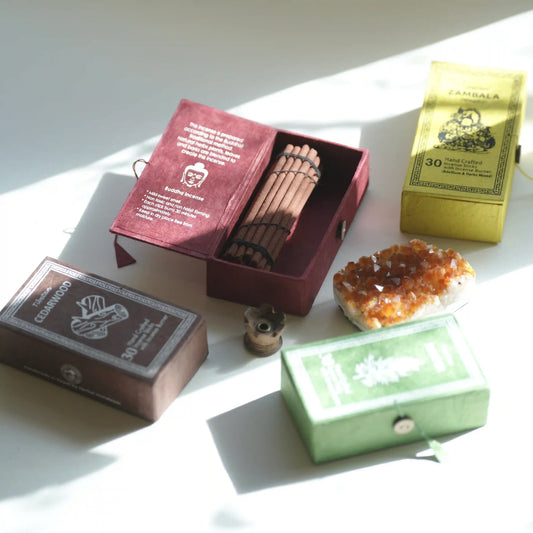
Tibetan Incense
Tibetan incense is deeply connected with Himalayan traditions and Buddhist practices.
Many Tibetan incense blends contain combinations of herbs, roots, flowers, and aromatic woods.
Characteristics:
- Earthy fragrance
- Rich botanical character
- Traditional handmade approach
Best for:
- Meditation
- Reflection
- Creating a grounding environment
For those looking for a deeper incense experience, Tibetan incense offers a connection to ancient Himalayan traditions.
Nepalese Incense
Nepalese incense is known for its use of Himalayan herbs and traditional production methods.
Common ingredients include:
- Medicinal herbs
- Aromatic plants
- Tree materials
Characteristics:
- Natural herbal fragrance
- Rustic and earthy profile
- Handmade character
Best for:
- Nature-inspired spaces
- Meditation corners
- People who enjoy traditional scents
Handmade Natural Incense
Handmade incense focuses on craftsmanship and ingredient quality rather than mass production.
Many handmade incense makers carefully select natural materials and allow the fragrance to develop naturally.
Benefits include:
- Unique fragrance profiles
- Traditional techniques
- Connection with artisans
- More intentional experience
Best Incense in Australia: Which Incense Should You Choose?
The best incense for your home depends on your lifestyle, the atmosphere you want to create, and the fragrance experience you enjoy.
Instead of choosing incense based only on popularity, consider how you want the incense to feel in your space.
For Subtle Everyday Fragrance: Japanese and Chinese Incense
Japanese and Chinese incense are excellent choices for everyday use because they offer refined, balanced aromas that create a calm atmosphere without overwhelming your home.
Japanese incense is often appreciated for its delicate fragrance, clean burning style, and minimalist approach. It is a great choice for people who prefer gentle scents for quiet mornings, reading, or relaxation.
Chinese incense often features traditional aromatic woods, herbs, flowers, and resins, creating warm and natural fragrance profiles suitable for daily rituals and mindful living.
Recommended for:
- Living rooms
- Bedrooms
- Home offices
- Morning and evening routines
Example:
Kousaido Ikadenshin Japanese Incense — A refined Japanese incense with a delicate fragrance profile, ideal for those who enjoy subtle and elegant aromas.
Chinese Seasonal Incense Sticks Collection — Traditional incense inspired by centuries of Chinese incense craftsmanship, offering natural woody and herbal notes.
For Meditation and Deep Relaxation: Tibetan Incense
If you enjoy meditation, yoga, breathing exercises, or quiet reflection, Tibetan incense may be a suitable choice.
Traditional Tibetan incense is often made with a combination of Himalayan herbs, aromatic woods, and natural botanical ingredients.
Its fragrance is usually deeper and more earthy compared with Japanese incense.
Recommended for:
- Meditation spaces
- Yoga rooms
- Personal rituals
- Evening relaxation
Example:
Mandala Arts Tibetan Incense Gift Set — A collection inspired by traditional Tibetan incense practices, offering a grounding fragrance experience.
For Himalayan Natural Fragrance: Nepalese Incense
Nepalese incense reflects the natural environment and traditional knowledge of the Himalayan region.
Many Nepalese incense makers such as STUPA use locally sourced herbs, plants, and aromatic materials.
Recommended for:
- Nature-inspired interiors
- Mindfulness practices
- People who enjoy herbal fragrances
Nepalese incense is especially suitable for those who appreciate authentic, handmade products with a connection to nature.
For Australian-Made Natural Incense: Handmade Incense Planks
Handmade incense offers a different experience from traditional stick incense.
Instead of focusing only on fragrance intensity, handmade incense plank often highlights:
- Natural materials
- Artisan techniques
- Unique shapes and textures
- Quicker, mindful burning
Example:
Tribe Earth Incense Planks — A handcrafted incense option designed for those who appreciate natural materials and Australian creativity.
How to Choose Incense for Different Rooms in Your Home
Different spaces benefit from different fragrance styles.
Living Room
The living room is where you welcome guests, relax, and spend time with family.
Recommended:
- Sandalwood incense
- Chinese incense
- Japanese incense
- Gentle woody fragrances
Choose scents that create warmth without dominating the space.
Bedroom
The bedroom should feel peaceful and comfortable.
Recommended:
- Soft floral incense
- Jasmine
- Gentle herbal blends
- Subtle Japanese incense
Avoid very strong fragrances in smaller rooms.
Home Office
A calm workspace can help create a more focused environment.
Recommended:
- Sandalwood
- Agarwood
- Clean woody fragrances
A lighter fragrance can help create a pleasant working atmosphere without distraction.
Meditation or Yoga Space
For mindfulness practices, many people prefer deeper and more traditional scents.
Recommended:
- Tibetan incense
- Nepalese incense
- Herbal incense blends
These incense styles often create a grounding atmosphere that supports quiet reflection.
Incense Sticks, Cones, or Other Forms: Which Is Best?
Incense Sticks
The most common incense format.
Advantages:
- Easy to use
- Available in many fragrances
- Suitable for beginners
- Convenient for everyday rituals
Best for:
- Home fragrance
- Daily use
- Beginners
Incense Cones
Incense cones create a more concentrated fragrance experience.
Advantages:
- Compact size
- Stronger fragrance release
- Good for short sessions
Best for:
- Small rituals
- Short relaxation periods
Rope and Handmade Incense
Traditional handmade forms offer a more unique experience.
Advantages:
- Artisan craftsmanship
- Traditional connection
- Distinct appearance
Best for:
- Collectors
- Traditional incense enthusiasts
- Special rituals
How to Burn Incense Safely at Home
Incense can be a beautiful addition to your home, but it should always be used responsibly.
Follow these simple safety tips:
Use a Proper Incense Holder
Always place incense in a stable holder designed to collect ash.
A suitable incense holder helps:
- Prevent ash from falling onto furniture
- Keep incense stable
- Improve the overall experience
Burn Incense in a Well-Ventilated Area
Keep fresh air flowing while burning incense.
Avoid:
- Burning incense in very small enclosed spaces
- Leaving burning incense unattended
Keep Away from Flammable Materials
Place incense away from:
- Curtains
- Paper
- Fabrics
- Wooden surfaces without protection
Enjoy Incense as a Mindful Ritual
The purpose of incense is not to fill every corner of your home with fragrance. A small amount of carefully chosen incense can create a meaningful pause in your day.
For more information about Burn incense safely, read: Is Burning Incense Safe? What Australian Research Says
Frequently Asked Questions About Incense
What is the best incense in Australia?
The best incense depends on your preference. Japanese and Chinese incense are popular choices for subtle everyday fragrance, while Tibetan and Nepalese incense are often preferred for meditation and deeper traditional aromas.
What is the most natural incense?
Natural incense is usually made from plant-based ingredients such as aromatic woods, herbs, flowers, and resins without relying heavily on synthetic fragrance oils.
Is incense safe to burn indoors?
Incense can be enjoyed indoors when used correctly. Always burn incense in a ventilated area, use a suitable holder, and never leave burning incense unattended.
What incense has the least smoke?
Japanese incense is often known for producing a lighter, more subtle burning experience compared with some thicker traditional incense varieties.
What incense is best for meditation?
Tibetan, Nepalese, sandalwood, and traditional herbal incense are commonly chosen for meditation because of their earthy and grounding fragrance profiles.
What is the difference between Japanese and Chinese incense?
Japanese incense often focuses on refined, subtle fragrance and minimalist craftsmanship. Chinese incense traditionally uses aromatic woods, herbs, flowers, and resins to create warmer and more complex fragrance profiles.
How long does incense usually burn?
Burn time depends on the size and type of incense. Many incense sticks burn between approximately 15–40 minutes.
Can incense be used every day?
Yes. Many people enjoy incense as part of a daily routine, such as morning meditation, evening relaxation, reading, or creating a peaceful home atmosphere.
How do I choose incense for my home?
Consider:
- Your preferred fragrance style
- Room size
- Purpose (relaxation, meditation, fragrance)
- Ingredients
- Burn style
Start with gentle fragrances if you are new to incense.
What is the difference between natural incense and synthetic incense?
Natural incense uses botanical ingredients such as woods, herbs, and resins. Synthetic incense may rely more heavily on artificial fragrance compounds to create stronger scents.
Final Thoughts: Finding the Best Incense for Your Home
The best incense is the one that fits naturally into your lifestyle.
Whether you prefer the subtle elegance of Japanese incense, the traditional warmth of Chinese incense, the grounding character of Tibetan incense, or the handmade beauty of natural botanical incense, each style offers a unique way to create a calmer home environment.
Incense is more than fragrance. It is a small daily ritual — a reminder to slow down, reconnect with the present moment, and create spaces that support mindful living.
At SINGOAU, we believe the objects and rituals we surround ourselves with can quietly shape how we feel. Through carefully selected incense, natural crystals, and thoughtfully designed homewares, we aim to bring more simplicity, balance, and intention into everyday life.
Explore our incense collection and discover a fragrance that feels right for your own space.