Traditional Chinese Incense: History, Types, Benefits & How to Use It

For thousands of years, incense has been an important part of Chinese culture, connecting fragrance with mindfulness, creativity, reflection, and everyday rituals.
Traditional Chinese incense is more than a way to add fragrance to a room. It represents a slower approach to living — taking a moment to pause, appreciate natural aromas, and create a peaceful atmosphere in our surroundings.
Today, many people are rediscovering the beauty of traditional incense as part of modern mindful living. A simple incense ritual can become a gentle transition between the busy pace of daily life and a quieter moment of relaxation.
Whether you are new to incense or interested in exploring traditional craftsmanship, this guide explores the history of Chinese incense, different types, how to use it, and how it can become part of your own daily ritual.
The History of Traditional Chinese Incense

The history of incense in China stretches back more than 2,000 years, with its development reaching remarkable refinement during the Han, Tang, and Song dynasties.
Originally used in temples and spiritual ceremonies, incense gradually became part of everyday life among scholars, artists, and families.
Traditional Chinese incense was often enjoyed alongside meaningful activities such as:
- Reading
- Painting
- Calligraphy
- Tea appreciation
- Meditation
- Quiet reflection
For many scholars, incense was considered one of the refined arts, alongside tea, flower arrangement, painting, and calligraphy. Rather than creating an overpowering fragrance, traditional incense was designed to create a subtle atmosphere that encouraged focus, appreciation, and presence.
Ancient Chinese scholars even used incense to measure time, giving rise to the beautiful expression known as "incense time."
My Journey with Traditional Incense

My appreciation for traditional incense began through learning about handmade oriental incense and understanding the careful craftsmanship behind each blend.
Over time, I discovered that incense is not simply about fragrance. It represents patience, natural materials, traditional knowledge, and the relationship between people and their surroundings.
Creating quality incense requires understanding different botanical ingredients, balancing aromas, and respecting techniques that have been refined over generations.
This connection between nature, craftsmanship, and mindful living is one of the reasons SINGOAU shares carefully selected incense with those who appreciate simple, meaningful rituals.
What Makes Traditional Chinese Incense Different?

Traditional Chinese incense is created with a focus on natural ingredients and balanced fragrance.
Unlike many modern fragrance products designed to quickly cover unwanted smells, traditional incense aims to create a more harmonious atmosphere through carefully selected botanical materials.
Common ingredients may include:
- Sandalwood
- Agarwood (Oud)
- Cedar
- Cinnamon
- Clove
- Star anise
- Natural resins
- Herbs
- Floral and botanical ingredients
The fragrance of natural incense often develops gradually while burning, revealing different layers over time.
Traditional formulas vary between regions, workshops, and makers, with many recipes reflecting generations of craftsmanship and knowledge.
Different Types of Traditional Chinese Incense
Traditional Chinese incense can be found in several forms, each offering a different experience.
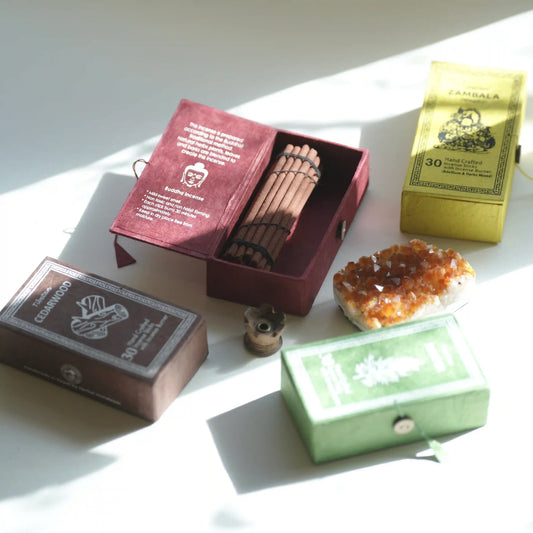
Incense Sticks
Incense sticks are one of the most popular forms today because they are simple, convenient, and suitable for everyday use.
They are commonly used for:
- Morning rituals
- Meditation
- Relaxing evenings
- Creating a welcoming home atmosphere
Coil Incense
Coil incense is designed for longer burning times and has traditionally been used in larger spaces or during extended rituals.
Incense Powder
Incense powder has a long history in traditional incense appreciation and ceremonial practices. It is often associated with more specialised incense experiences.
Incense Cones
Incense cones provide a compact format and can create a concentrated fragrance experience when used with a suitable incense holder.
Why Traditional Chinese Incense Remains Popular Today
Traditional Chinese incense continues to be enjoyed because it encourages people to slow down and create intentional moments in everyday life.
Many people use natural incense for:
Creating a Calm Atmosphere
Lighting incense can become a simple signal that it is time to step away from daily distractions and enjoy a quieter moment.
Supporting Meditation Practices
Many meditation practitioners enjoy incense as part of their preparation before sitting quietly and focusing their attention.
Enhancing Mindfulness
The gentle movement of incense smoke and evolving fragrance can help create a more present and intentional environment.
Natural Home Fragrance
Natural incense offers an alternative for those who prefer subtle botanical aromas over strong artificial fragrances.
Creating Daily Rituals
Small rituals often bring meaning to ordinary moments. Lighting incense while enjoying tea, reading, or relaxing can become a comforting part of your routine.
How to Use Traditional Chinese Incense Safely
Using incense is simple, but following a few basic practices helps create a safe and enjoyable experience.
1. Choose a Suitable Incense Holder
Select a stable, heat-resistant incense holder designed for your incense style. A quality holder helps collect ash safely while becoming part of your home decor.
2. Place It in a Safe Location
Position your incense holder on a flat, non-flammable surface away from curtains, fabrics, and other combustible materials.
3. Light the Incense
Light the tip of the incense stick until it catches a small flame. Allow it to burn briefly, then gently blow out the flame.
4. Enjoy the Aroma
The incense should continue to smoulder and release its natural fragrance.
Enjoy the moment while:
- Drinking tea
- Reading
- Journalling
- Meditating
- Relaxing at home
Always keep burning incense away from children, pets, and flammable materials, and ensure your space has reasonable ventilation.
When Is the Best Time to Burn Chinese Incense?
There is no single correct time to enjoy incense. The best moment is whenever you want to create a calmer atmosphere.
Many people enjoy burning incense during:
- Morning meditation
- Evening relaxation
- Tea rituals
- Yoga or stretching
- Reading
- Quiet weekends at home
A few mindful minutes can transform an ordinary moment into a meaningful ritual.
How to Choose High-Quality Chinese Incense
When selecting traditional incense, consider the following:
Natural Ingredients
Look for incense made with carefully selected botanical materials rather than relying heavily on synthetic fragrance.
Balanced Aroma
Quality incense usually creates a layered fragrance that develops gradually instead of feeling overwhelming.
Consistent Burning
Well-made incense should burn evenly and smoothly.
Traditional Craftsmanship
The story, ingredients, and making process behind incense are often what make each blend unique.
Frequently Asked Questions About Chinese Incense
Is traditional Chinese incense safe?
When used according to instructions in a well-ventilated area, many people safely enjoy incense as part of their home rituals. Always keep burning incense away from children, pets, and flammable objects. Read Is Burning Incense Safe? What Australian Research Says for more information.
Does Chinese incense smell strong?
Traditional Chinese incense is generally appreciated for its balanced and refined fragrance rather than an overpowering scent. The aroma depends on the ingredients used, such as sandalwood, agarwood, herbs, or floral materials.
How long does Chinese incense burn?
Burn time depends on the size and ingredients of the incense. Many incense sticks typically burn for around 20–40 minutes.
Can beginners use traditional Chinese incense?
Yes. Traditional incense is suitable for beginners. Starting with a natural incense blend and a suitable incense holder is an easy way to begin exploring this timeless practice.
Bringing Ancient Traditions Into Modern Living
Traditional Chinese incense has continued for centuries because it offers something increasingly valuable in modern life — a reminder to slow down and appreciate the present moment.
A simple incense ritual does not need to be complicated. Lighting a natural incense stick, enjoying a cup of tea, reading a book, or sitting quietly for a few minutes can help create a more intentional home environment.
At SINGOAU, we believe the objects we surround ourselves with can quietly shape how we feel.
Through carefully selected natural incense, crystals, and Wabi-Sabi inspired homewares, we hope to bring more moments of calm, beauty, and mindfulness into everyday living.
Explore our collection of natural incense and mindful home essentials to create your own peaceful ritual at home.
Related SINGOAU Guides
- The Ultimate Guide to Incense: Types, Benefits, and How to Use Them
- Choosing the Right Incense Holder: Material & Style Guide
- Is Burning Incense Safe? What Australian Research Says
- What Learning Traditional Handmade Incense Taught Me About Simple Living
- Morning Grounding Rituals: Pairing Incense, Meditation, and Crystal Bracelets